
Introduction
Asset management is a framework that provides water, wastewater, and stormwater utilities with tools and practices that can assist a system in operating, maintaining, and managing assets in a cost-effective, sustainable fashion. Implementing an asset management program provides the information needed to make confident technical, managerial, and financial decisions while effectively engaging customers and generating cost savings over time. Asset management is a process of continuous improvement on the part of a utility in which practices are implemented, lessons are learned, practices are revised, and results assessed. Similarly, the SW EFC has always engaged in continuous improvement as well with the resources we provide to assist systems in developing and implementing their programs. We have created a series of tools starting in 2005 with the most recent update occurring to our Integrated Asset Management Framework (IAMF) in spring 2026. The Southwest Environmental Center (SW EFC) and Wichita State University Environmental Center (WSU-EFC) have combined efforts to add additional content and revise portions of the IAMF site tool. The recent updates will support water utilities by improving usability, clarifying key concepts, and enhancing user engagement Because the tool is on-line only, users will immediately be able to experience the additions/revisions.
Content Revision Overview
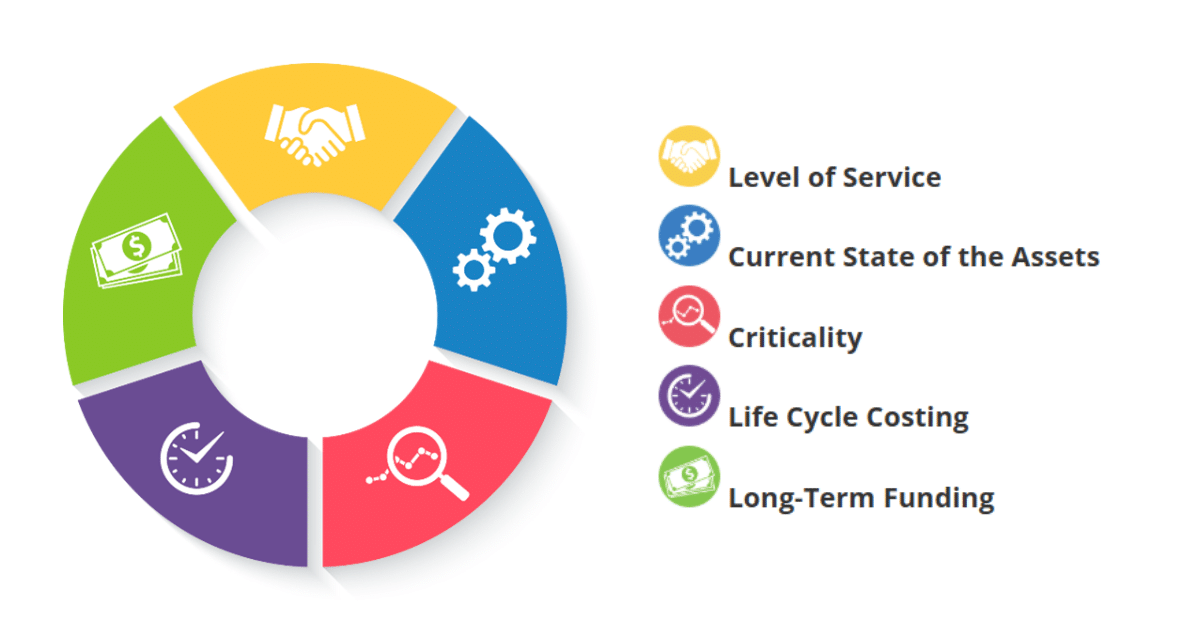
The IAMF site is organized to guide users through the asset management process with a clear, step-by-step flow. Content is structured in key sections: Introduction, Level of Service, Current State of the Assets, Criticality, Life Cycle Costing, Long-Term Funding, and Energy Management as well as additional resources below the main menu. This allows users to follow the full progression of the Framework or jump to the sections most relevant to their needs. The breadcrumb menu (small trail of links on a website or app that shows you where you are and how you got there) allows for intuitive navigation and allows both new visitors and experienced ones to engage with the framework at their own pace. Updates can be found in the sections linked above, with additional updates coming soon. These sections have been revised to improve clarity, and content has been simplified to better explain core asset management concepts. Updated graphics and interactive elements have been added to increase engagement and the user experience. As before, our goal with the IAMF site is to allow visitors to understand Asset Management and apply it to real-world decision-making and apply it to real-world decision-making.
Conclusion
The recent IAMF updates reflect our continued focus and effort within the Environmental Center Network to make asset management tools more practical and accessible to water utilities. By improving the site’s usability, clarifying content, and adding interactive elements, the framework supports our users in making informed and confident decisions. These changes help ensure water utility personnel at all levels can understand and apply the knowledge within the framework and strengthen their overall long-term management of water systems.