

Wastewater operators know that reliable process control separates a smoothly running plant from one affected by permit violations, high energy costs, or poor effluent quality. Three essential tools; pH meters/probes, dissolved oxygen (DO) meters/probes, and turbidity meters provide real time data that drive critical decisions across the treatment process. From influent screening to final effluent, these instruments help maintain biological balance, optimize chemical addition, and ensure regulatory compliance.
pH Probes and Meters
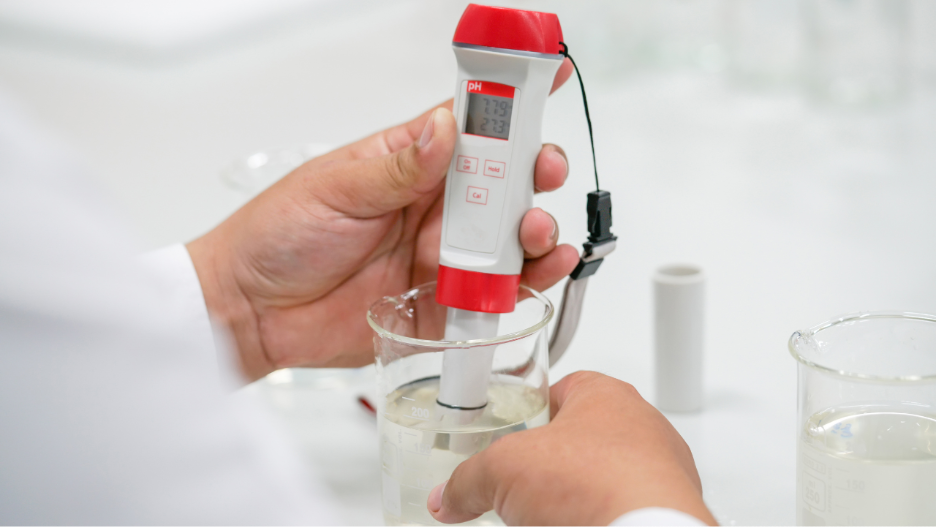
pH Meter. Photo Credit: Science Photo via Canva Pro
pH directly influences every stage of treatment. In the headworks and primary clarifiers, operators monitor influent pH to detect industrial discharges or septic conditions that could shock the downstream processes. Extreme pH swings can restrict or kill the beneficial microbes needed for secondary treatment.
In aeration basins, maintaining a pH between 6.8-8.0 supports optimal nitrification and denitrification. Operators use submerged pH probes to adjust alkalinity levels in real time. In anaerobic digesters, pH monitoring prevents souring, but when volatile acids accumulate and drop the pH below 6.8, that can signal process upsets. Continuous data allows operators to catch issues early, protecting sludge quality and biogas production.
Dissolved Oxygen Probes
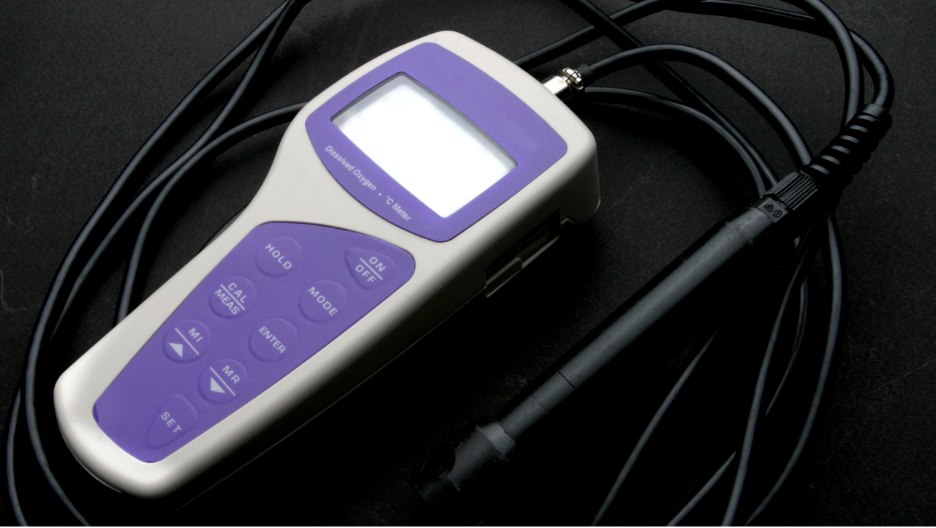
DO Meter. Photo Credit: Modilus from Getty Images Signature
DO control is perhaps the most impactful daily task for operators managing activated sludge systems. Aeration basins require precise oxygen levels, typically 1.5-3.0 mg/L for conventional processes, with tighter DO ranges for nutrient removal. Too little oxygen leads to filamentous bulking, incomplete BOD removal and permit violations. Too much oxygen can lead to wasted energy and can damage floc structures. Floc structures are important for the settleability of the Mixed Liquor during the next process, such as a Secondary Clarifier.
Modern optical DO probes installed in aeration tanks provide fast, low maintenance readings compared to older galvanic or polarographic sensors. Operators use this data to fine tune blower output via variable frequency drives (VFDs), implement DO based aeration control strategies and create anoxic zones for denitrification. In oxidation ditches or sequencing batch reactors (SBRs), DO data recording throughout the cycle ensures efficient nitrogen and phosphorous removal while minimizing power costs, which often represents a majority of a plant’s energy budget.
Turbidity Meters; Clarity and Solids control
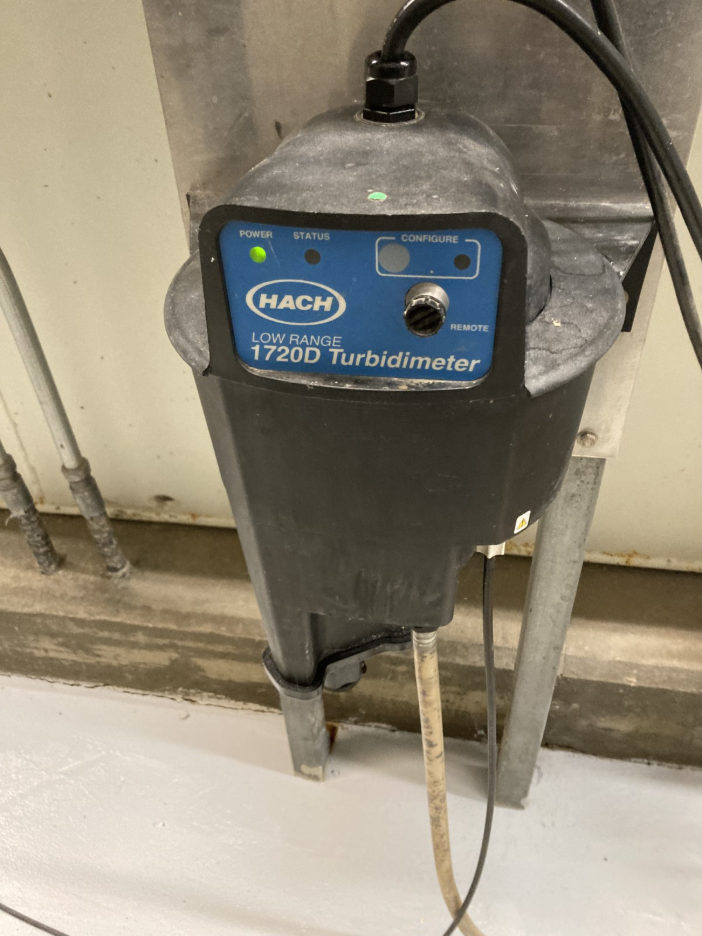
Turbidity Meter. Photo Credit: Mike Rivera, SW EFC
Turbidity Meters excel at tracking solids movement and treatment efficiency. Placed in primary and secondary clarifiers, they help operators improve sludge return and waste rates. High turbidity in the clarifier effluent signals poor settling, often due to young sludge, filamentous organisms, or hydraulic overload.
In the final effluent, online turbidity monitors serve as an early warning for filter performance or UV disinfection issues. Many plants use turbidity as a substitute for total suspended solids (TSS), allowing quicker process adjustments than waiting for lab results. During wet weather events, real-time turbidity data helps operators decide when to divert flows or adjust chemicals to maintain compliance with discharge permits.
Integration for better control
The real power emerges when these instruments feed data into SCADA systems for automated control loops. Operators can set alarms for pH highs or lows. Set DO readings to adjust blower controls and trend turbidity against settleability tests. Regular calibration and proper probe maintenance (cleaning, storage solutions, and membrane replacement) are essential, and downtime on these sensors create blind spots in plant operations.
By capitalizing on pH, DO, and turbidity meters throughout the plant, operators achieve more stable process control, lower chemical and energy costs, better sludge handling and consistent permit compliance. In an era of tighter regulations and rising operational costs, these tools are not just monitors, they are essential tools in delivering clean water.
Stay proactive with your instrumentation, document trends, and train new operators on their importance. Small adjustments based on good data produce better results at the plant.
Additional Resources:
EFCN Blog | Why Wastewater Permit Parameters Matter for Every Community