

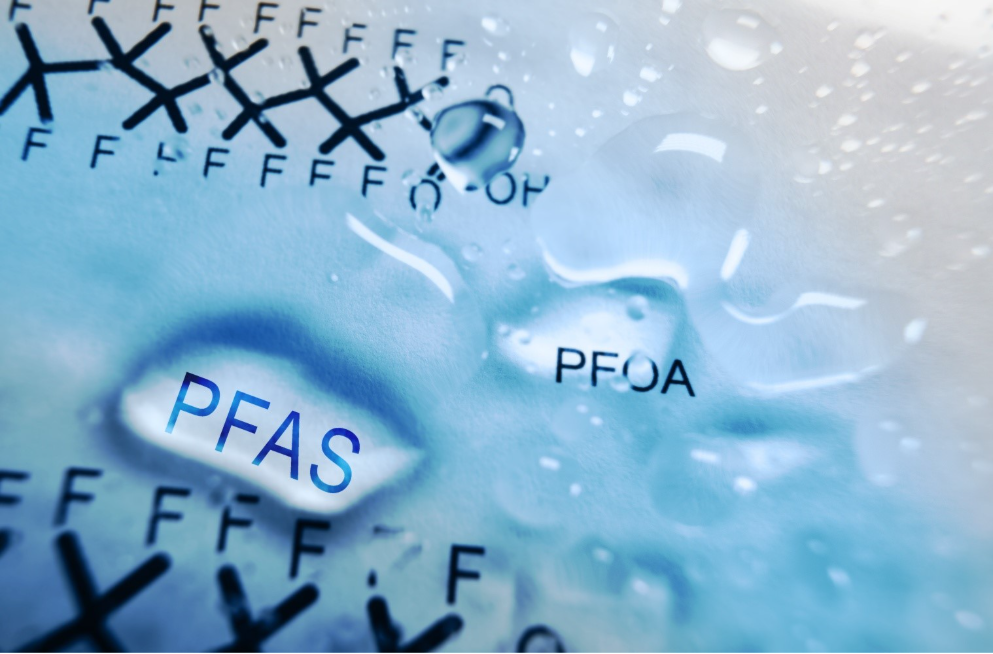
PFAS are called “forever chemicals” because they persist in the environment. They cannot be seen, smelled, or tasted in drinking water, and yet they can silently harm our environment and human health. PFAS are also ubiquitous. They can travel through groundwater and surface water, potentially reaching rural communities even when there is no obvious source of contamination nearby.
The challenges Tribes face
Tribal water systems have limited resources and technical capacity. They operate with small staffs, limited budgets, and competing infrastructure needs. PFAS sampling requires specialized procedures and laboratory analysis for which they are unlikely to have immediate funding and expertise.
Tribes may face contamination they did not cause and cannot directly control. Water follows the path of least resistance, flowing fastest and in the greatest volume through the areas of highest permeability, and sometimes bringing contaminants with it. For this reason, PFAS contamination detected on Tribal lands may have originated from areas outside Tribal boundaries. Sources of PFAS contamination may include distant military facilities, airports, and industrial activities, polluting water when there are no obvious sources of contamination nearby.
Federal PFAS drinking water requirements emerged relatively quickly and continue to evolve, with more possible changes and updates in the regulations pending. It is complex, dynamic and uncertain, making it difficult for very small systems with limited resources to maintain awareness of the latest information. Understanding monitoring requirements, deadlines, and what to do when PFAS is detected is challenging for all water professionals and decisions, but especially so for small and remote Tribes.
Why testing is worth the effort: Know → Plan → Protect
Tribes are encouraged to adopt a three-pronged approach to PFAS monitoring.
KNOW: The first step is to coordinate with relevant agencies, like other Tribal departments and the Tribe’s compliance entity to conduct initial PFAS testing and determine if contaminants are present now. Initial and ongoing monitoring provide information about whether PFAS are present in the water supply, at what concentrations, and to identify potential trends.
PLAN: Monitoring can then be used for decision making and planning. Results help Tribal leaders understand their current status, evaluate immediate and future risks, identify resources for monitoring and mitigation, if warranted, and determine appropriate next steps.
PROTECT: With reliable information, Tribes can make decisions and take action that will protect their drinking water and the health of their community.
Collectively, KNOW, PLAN and PROTECT ensures the Tribe communicates with members about PFAS monitoring, and shares the results and decisions made based on monitoring. PFAS testing is more than a regulatory obligation; it provides Tribes with the information to make decisions that reflect their communities’ unique needs and priorities.
Resources to help Tribes get started
The Capacity Collaborative has developed two complementary resources for Tribes to get started:
“PFAS Drinking Water Testing: A Guide for Tribal Water Systems” helps Tribes in EPA Region 9 to better understand PFAS water monitoring requirements. This practical, four-page reference covers monitoring requirements, sampling methods, interpreting results, and available funding and technical assistance. It also highlights EPA Region 9’s voluntary Tribal PFAS sampling program, which offers eligible systems sampling supplies, laboratory analysis, shipping, training, and technical assistance at no cost (programs vary by region and state). Download the guide now!
The video that accompanies the guide is a conversation with Tribal water monitoring expert, John Parada, to learn from his extensive, hands-on experience in conducting PFAS water monitoring. John provides real world testimony and advice for why Tribes should do PFAS sampling now, what to be aware of and how to avoid common mistakes. Watch the video!
Tribal leaders and water operators who have not already done so should contact their compliance entity, explore assistance available for sampling, and review the guide and video. Protecting Tribal drinking water starts with knowing what’s in it. Testing provides the information Tribes need to plan for the future and make decisions that protect their communities.