
What is illegal dumping?
The improper disposal of waste at any location other than a permitted waste management facility is known as illegal dumping. Common illegally dumped materials include construction debris, old furniture, household appliances, automotive related waste, medical waste, yard waste, and household hazardous waste. Illegal dumping occurs globally and on varying scales. In this blog, we will explore the challenges, impacts, and solutions for preventing illegal dumping in small rural communities in the US.
What are the impacts of illegal dumping?
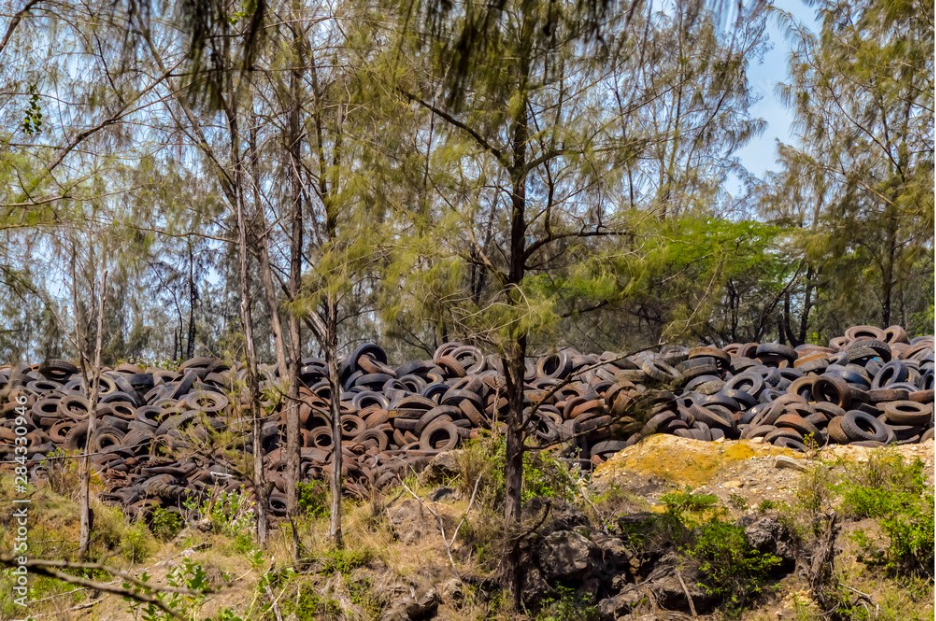
Illegal dumping causes adverse environmental impacts, poses risks for public health, and creates economic burden for communities, especially those who are small or rural geographically, and are already struggling with solid waste remediation. Common areas where illegal dumping occurs are vacant lots, remote areas, poorly lit roads, alleys, construction sites, and forests, often close to waterways. Tires, a common illegally dumped item, accumulate in piles and adversely impact the area in which they are dumped in several ways. Tires are prone to heat retention and are easily ignitable, especially in abandoned scrap tire piles. Fires from illegally dumped tires are particularly difficult to extinguish and impact air, water, and soil quality by generating many harmful compounds leading to potentially toxic runoff which can contain thousands of known and potentially toxic chemicals. Both events (fires and runoff) pose significant threats to human and environmental health and terrestrial and aquatic ecosystems. Tires also present ideal breeding habitat for disease-carrying mosquitos because they create stagnant, non-draining water that pools. Finally, illegal dump sites, whether they are tires or any other type of waste, negatively affect the economic value of neighboring properties. Illegal dumping can be a significant financial strain for municipalities and rural communities who struggle with the costs associated with cleaning dump sites, as illegal dumping programs require budgets and significant financial planning for which small, rural systems may not have capacity.
How does illegal dumping impact source water?
Every type of waste is associated with contaminants that are mobilized when they interact with water during rain or flooding events. Whether it is tires, batteries, paint, discarded automotive equipment, or basic household trash, each waste material contains contaminants that affect the surrounding environment when they are improperly disposed of. Leachate is produced when openly dumped solid waste materials break down and combine with liquids that fall onto the dumpsite. Leachate from illegal dumpsites often contains toxic heavy metals and organic chemicals. During rain or flood events, water that flows through illegal dump sites generates runoff, carrying contaminated water to nearby bodies of water and/or infiltrating into the ground. Waste materials may also be illegally dumped directly into surface waters, increasing contact with these waters and acting as a direct pollutant. The contamination of source water through illegal dumping is very serious in rural areas because many residents in rural communities rely on private wells which usually do not receive the same water treatment services that public municipal wells do nor do they have the same level of monitoring.
Why do people illegally dump waste?
Individuals may illegally dump waste materials that cannot legally be disposed of with regular household trash or recycling programs to avoid the cost associated with proper waste disposal. Most vacant and disinvested areas are vulnerable to dumping due to the lack of community structure, capacity for surveillance and enforcement, and affordable waste disposal and recycling programs.
Some local governments lack the resources to offer affordable disposal options to residents while others may have adequate infrastructure and programs but lack the education and outreach materials and programs to inform residents of the consequences related to illegal dumping. Additionally, individuals may not have a way to haul waste to a transfer station or landfill, resulting in waste being illegally dumped in areas most convenient to them.
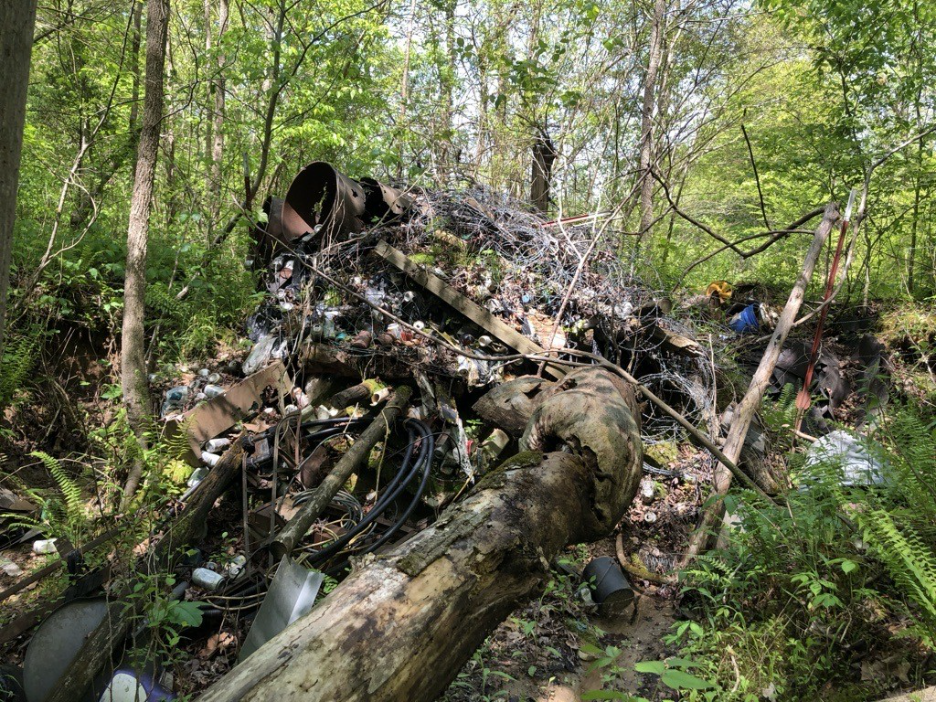
© Eva Schwendimann, SW EFC
How can illegal dumping be managed and mitigated in your community?
The first step to fighting illegal dumping is to ensure that there are accessible and affordable options for waste disposal and sustainable materials management to as many individuals and businesses in your community as possible. In tandem with managing accessible waste disposal programs, ongoing informative and broad reaching education and outreach programs should be provided for the community with strong support and collaboration from local leadership. Water and wastewater systems can work with other local entities to develop educational materials pertaining to waste disposal programs which can be distributed through flyers, printed in local papers and magazines, announced on local radio stations, and posted on social media or the municipality’s website. Information regarding acceptable items for disposal, curbside pickup schedules, fees, recycling program details, community clean up events, or voucher program guidelines, are all valuable education and outreach efforts. Outreach should also inform citizens of who to call to report illegal dumpsites or active illegal dumping.
Different strategies will be required in different communities and programs will often be dependent on available funding. Federal grants like the Solid Waste Infrastructure for Recycling Grant and the Consumer Recycling Education and Outreach Grants are available through the EPA. Keep America Beautiful offers community grants nationwide to prevent illegal litter and dumping. The USDA Solid Waste management Grant is offered nationwide and is intended to be used to reduce or eliminate pollution of water resources in rural areas. Most states also offer grant programs to support solid waste reduction, recycling infrastructure, and waste diversion projects for municipalities, counties, and non-profits.
Even with a strong and accessible waste disposal and management program, illegal dumping may still occur. That is why collaboration between authorities, communities, and industries is an integral facet in mitigating illegal dumping. Resources from stakeholders like local sanitation departments, police and fire departments, health and environmental departments, local agencies, and different levels of government can be shared in efforts to address illegal dumping more effectively. Building a consistent enforcement framework can contribute to preventing illegal dumping by providing equipment such as cameras to monitor activities in sites that commonly harbor illegal dumping. Enforcement frameworks are also important in establishing legal consequences for illegal dumping, including citations and fines. Citizens should also be encouraged to report illegal dumping through a non-emergency number. Site maintenance in commonly used illegal dump sites that have undergone cleanup projects is important in preventing future illegal dumping. Increased signage, especially indicating that recording is in progress, lighting, and some landscaping can help in deterring illegal dumping. Finally, tracking and monitoring methods that have been implemented in your community and their success will help influence the development of the future of the program and inform managers of any adjustments that could be made to strengthen it. Preventing illegal dumping keeps communities and the environment clean, healthy, and happy.
Case Studies:
Polk County, Florida
Through the Waste and Recycling division, Polk County provides residents with reasonable options to get rid of residential and commercial waste. Polk County’s clear and detailed site offers information on illegal dumping and prevention and on how to report illegal dumping. Polk County is also home to a 501c3 non-profit called, “Keep Polk County Beautiful,” that works with civic, business, government, educational and community groups across the county to improve the aesthetic and ecological value of our communities through litter control and prevention, beautification, waste reduction, recycling and proper handling and disposal of solid waste. Community cleanups are regularly held to promote education and outreach and to empower the public on the importance of keeping their community clean.
Doña Ana County, New Mexico
The Doña Ana County Illegal Dumping Partnership (IDP) is a multi-agency task force founded to help combat illegal dumping throughout Doña Ana County. IDP is active in communities and schools throughout the County, providing public education to increase awareness about environmental responsibility and resources needed for community cleanup days. Illegal dumping reports can be submitted by the public and are then accessible on their site through an ArcGIS map, showcasing the details and progress made to resolve the report. The partnership has a collection of outreach materials available for students called “Clean Up with Carlos and Friends.” The outreach materials and websites created by the IDP are available in both English and Spanish.
Monroe County, Indiana
The Monroe County Waste Reduction District educates the public on proper waste disposal and resources available through methods such as advertising on radio stations, engaging with the community at county fairs, and implementing programs in county schools. The county observed that increased education and awareness led roadside dumping sites to be reported more often to the Waste Reduction District by community members.
Jefferson County General Health District, Ohio
The Jefferson County General Health District is listed with the Ohio EPA as an approved solid waste authority. The JCGHD partners with the JB Green team on recycling, special collections, and illegal dumping and litter programs. Local law enforcement, road workers, and government officials work together to benefit the program in various ways. Through the JB Green Team, the Sheriff’s Office has funding for litter enforcement efforts and sponsors an Environmental Enforcement Officer in each County with a purchase of environmental enforcement vehicles and equipment. Residents can now contact their individual Sheriff’s Department with complaints regarding dumping and littering.
If you need some guidance performing any of the tasks described in this blog, please reach out the EFCN for assistance.