
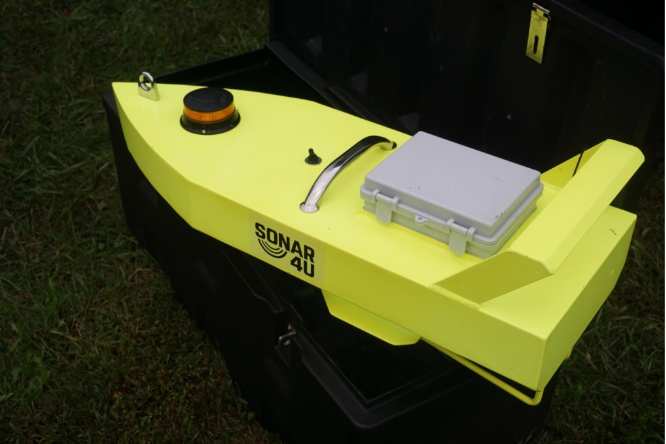
Sludge boat © Jeff Severin, WSU EFC
Sludge measurements in a wastewater lagoon often take a backseat to other operational priorities. Many operators don’t have easy access to a boat or sludge measurement equipment. Others may have safety concerns about working on the lagoon or lack enough staff to complete the job safely. With so many daily demands competing for attention, sludge surveys are often pushed aside as a lower priority project.
However, requirements set by your state or regulatory agency still need to be met, and regular sludge monitoring is an important part of managing your system.
Regular sludge surveys provide valuable information about the condition and capacity of your lagoon. If you’ve never measured sludge levels, you may be surprised by how much has accumulated. While sludge accumulation rates vary widely from system to system, taking measurements over time helps you identify trends and plan ahead.
Two Key Benefits of Conducting a Sludge Survey
- You need to start budgeting for sludge removal now.
If you know your sludge volume, you can get an accurate quote from a sludge hauler. If you know your sludge accumulation rate, you can know when it will need to be removed.
- More Sludge = Less Detention Time
The more sludge you accumulate, the less detention time you have for proper treatment. For example, in a single-cell, 1-acre lagoon with a depth of 8 feet and a daily flow of 12,000 gallons, you lose 17 days of detention time with every six inches of sludge accumulation.
Additional Reasons to Start Tracking Sludge
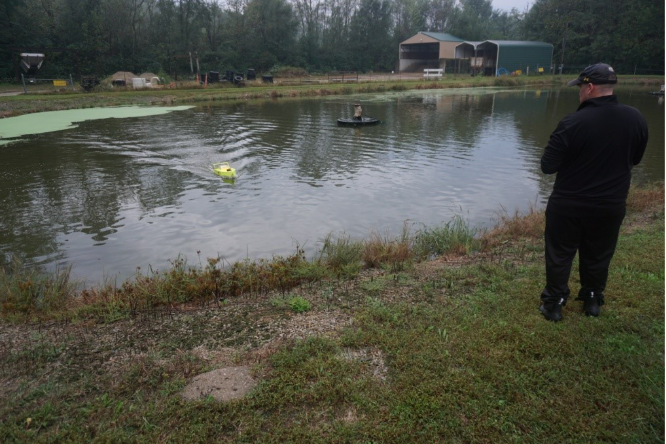
Sludge Boat on a lagoon © Jeff Severin, WSU EFC
Regulatory Compliance
Tracking sludge levels can also help your utility stay in compliance with regulatory requirements. Excess sludge can contribute to violations with TSS, BOD, Ammonia or E.coli.
Excess sludge can also release contaminants, like metals trapped in the sludge, back into suspension, causing them to leave the lagoon with the effluent. Additionally, treatment chemicals can increase sludge accumulation even faster, making regular monitoring even more important.
Sludge Measurements are a Long-Term Planning Tool
Sludge measurements are an important planning tool. Results may show that your lagoon needs additional capacity, treatment upgrades, or eventually a transition to a mechanical plant. They can also help determine whether your system can support future growth, such as new housing developments or business expansion.
Proper sludge management supports long-term budgeting and planning so the community can have properly treated wastewater, an opportunity for growth, and, most importantly, avoid sudden rate increases caused by poor planning and emergencies that could have been prevented.
How To Get Started with Sludge Measurements
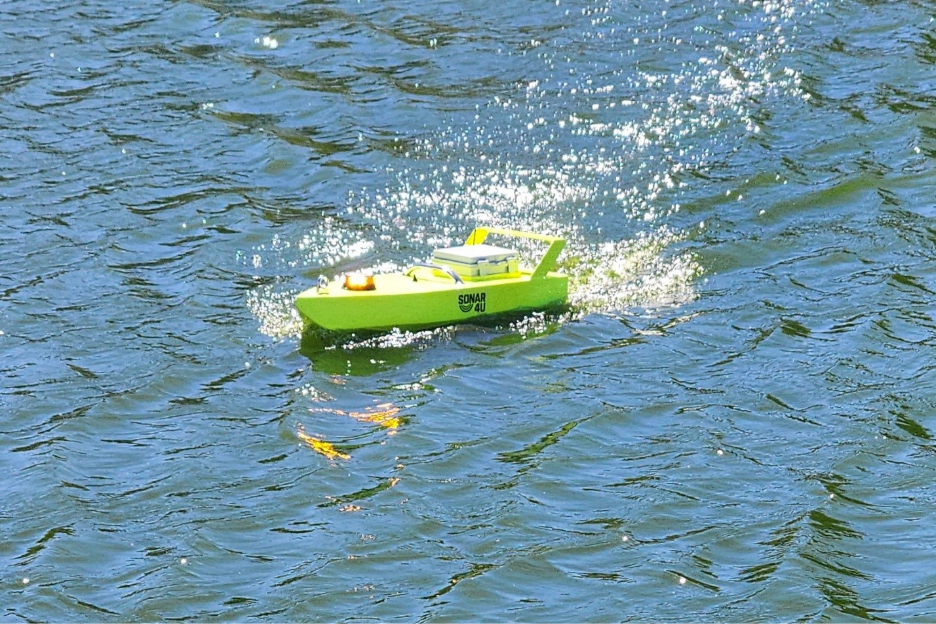
© Shannon Hazelton, WSU EFC
So, how can you start measuring the sludge in your lagoon? The Environmental Finance Center at Wichita State has access to a sludge boat that can safely measure and map the solids in your lagoon.
If you are in EPA Region 7 (Iowa, Kansas, Missouri, or Nebraska), we can complete this at no cost to your community. All we need are your as-built drawings showing the absolute bottom of the lagoon and access to your facility. We will provide a map and measurements in a couple of weeks showing the volumes of water and sludge. This won’t show your accumulation rate, but it is a good starting benchmark, and we can show you how much of your capacity is being hindered by the sludge you currently have. Then you’ll be on the right path to measuring and managing your sludge.
Ready to get started? Contact us through the EFCN Technical Assistance Form. A member of our team will learn about your utility, discuss your needs, and determine whether a sludge survey could benefit your wastewater system.