
In areas without municipal sewer systems, homeowners often rely on onsite wastewater solutions like septic tanks or cesspools. Both differ significantly in design and function and have specific best practices for maintenance and use in different regions.
Cesspools
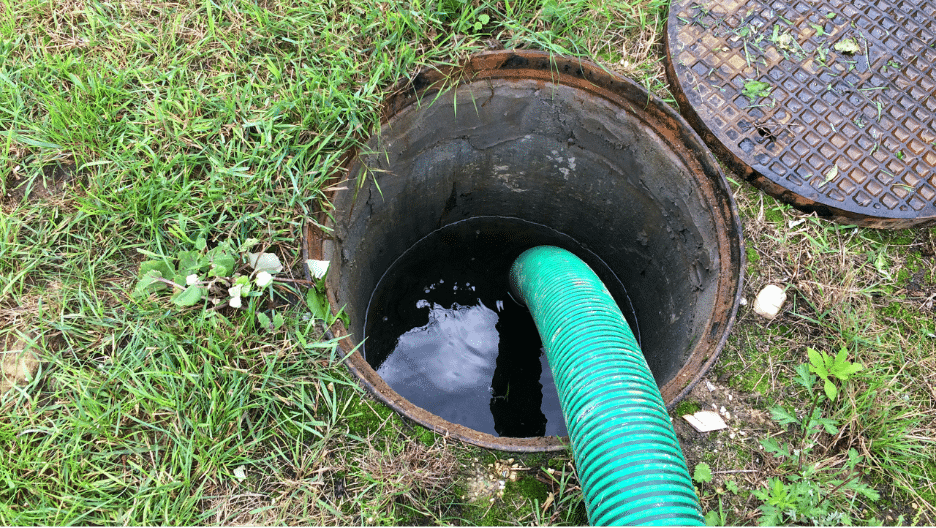
Cesspool. Photo Credit: Avalon Studio from Getty Images Signature
A cesspool is essentially a perforated pit that collects wastewater, allowing liquids to seep directly into the surrounding soil without treatment, untreated waste, including nitrates, bacteria, viruses and other pollutants can directly enter ground water and contaminate groundwater and drinking water sources. The U.S. EPA banned new large capacity cesspools nationwide in 2000 (with existing ones required to close by 2005) due to these risks. All 50 states now prohibit new cesspool construction. Remaining systems are often ‘grandfathered’ but face phase outs or mandatory upgrades, especially in places like Hawaii (conversion by 2050), Long Island, Massachusetts, and other coastal areas or high-water table areas where pollution threats to wells, beaches, and waterways are highest.
Septic Tanks
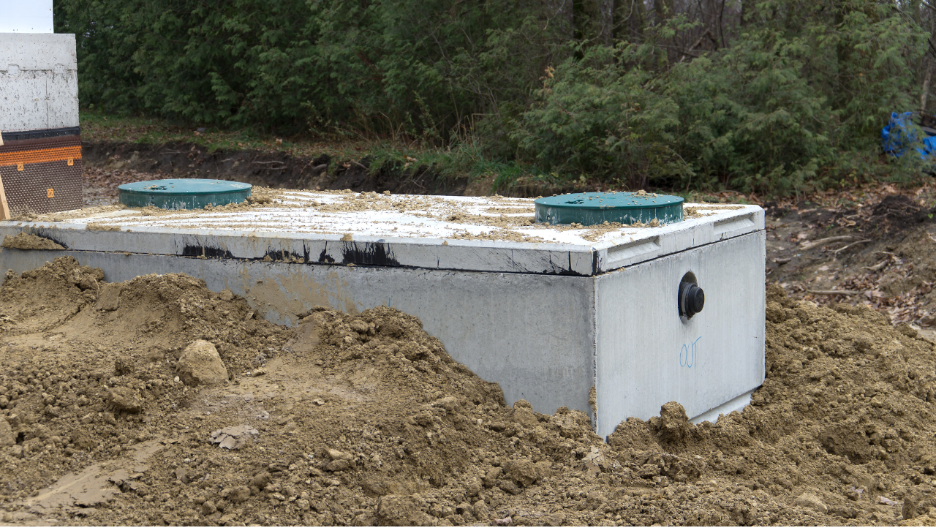
Septic tank. Photo Credit: Simply Creative Photography from Getty Images Signature
In contrast, a septic tank is a watertight chamber that separates solids from liquids. Solids settle and break down anaerobically while treated effluent flows to a drain field for further filtration, making septic tanks more environmentally friendly than cesspools.
Best Maintenance Practices
For both cesspools and septic tanks, proper upkeep extends system life and prevents costly failures. Homeowners with either system should schedule professional inspections and pumping either every 3-5 years or when solids reach 1/3 of the tank, whichever comes first. Beyond routine pumping, keep detailed records of inspections, pumping dates, and repairs, these help with compliance, property sales and insurance claims. Only add septic additive products once or twice per year; they aid in sludge reduction but do not eliminate the need for pumping. Conserve water by fixing leaks and spacing out laundry loads. Avoid flushing grease, chemicals, wipes or non-biodegradables, as they clog systems. Keep heavy vehicles, structures, and deep-rooted plants off the drain field.
For cesspools, homeowners should evaluate whether upgrading to a septic system is possible, given that septic is the better option for the environment and allows for a longer treatment time before the wastewater is discharged to the leach field. Monitor closely for overflow and plan upgrades to a modern treatment system whenever possible.
Regional Locations Installation
Septic tanks and cesspools are both common in rural and suburban U.S. areas lacking public collection systems. Septic tanks prevail nationwide, especially in New England, the Deep South, and Midwest rural zones. Cesspools, being outdated, are often found in older homes in coastal regions including Long Island, Florida, and parts of New England. New cesspools are restricted or banned in many states due to environmental risks.
When installing an onsite wastewater solution, consult local regulations and professionals for your setup. Proactive care ensures clean, efficient waste management.
How to tell if your Leach field is working correctly
A healthy leach field absorbs and filters effluent without issues. Watch for these warning signs of failure; persistently soggy or standing water over the field (especially in dry weather), unusually lush bright green grass in that area, sewage odors outdoors, slow drains or gurgling throughout the house, or backups into lowest fixtures. Catching problems early can avoid expensive full replacements. A failing drain field can cost $10,000-$20,000+ to replace, so early professional evaluation is far cheaper than waiting for backups or surface sewage. When selling property, many areas require inspections or upgrades from cesspools to septic systems. Always work with licensed septic professionals familiar with local requirements.
If your property uses a well for drinking water, test periodically for nitrates and bacteria especially if the cesspool or septic tank system is older. Businesses or multi-unit properties face stricter rules and should budget for more frequent service.
Additional Resources:
- EFCN Animation | Septic Tanks: Don’t Make These Mistakes
- EFCN Blog | Is It Safe to Simply Install Your Septic Tank and Forget It?
- EFCN Blog | Signs of a Full Septic Tank
- EFCN Blog | Decentralized or Cluster Systems for Hawaii Cesspool Conversions
- EFCN Educational Video | Septic Tank Inspection Basics