
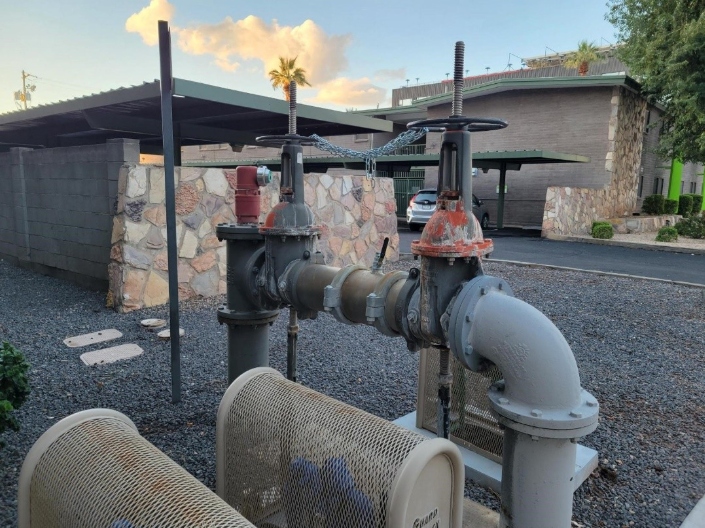
Image 1. Photograph of an aboveground backflow prevention device for a commercial property taken by Averi Davis in Pheonix, AZ
Have you heard of drinking water backflow prevention? According to the Watts 2025 Backflow Awareness Survey, most people haven’t. Read on for the need-to-know on backflow, “the public drinking water threat no one is talking about.”
Image 2. Backflow Awareness Survey logo from watts.com
What Is Backflow and Why Should You Care?
Drinking water backflow can be described as the unintended reversal of water flow through a cross-connection, or a connection between a potable water supply and nonpotable water plumbing. This can be anything from a pipe connected to a hot water heater to a garden hose in a bucket. Backflow can happen in two ways: back pressure, when pressure downstream exceeds the supply pressure in the drinking water system (such as during a pump surge or boiler system fluctuation), or back siphonage, when a drop in pressure, often caused by a water main break or heavy water use elsewhere, creates a vacuum that pulls water backward. When either of these situations occurs, chemicals, pollutants, and biological contaminants can be pulled into the drinking water supply.
The results of this can be serious. Backflow incidents can pose severe health risks and are often behind boil water advisories and do not drink orders. Consumption or contact with the contaminated water can cause gastrointestinal illness, skin/eye irritation, and chemical exposure, with the most serious risks falling on vulnerable groups like children, the elderly, and people with weakened immune systems. Because contaminated water does not always look, taste, or smell different, regular testing and prevention is critical.
Thankfully, backflow is largely preventable through devices known as backflow preventers, which stop water from homes and businesses from flowing backward into the public drinking water system. These devices are typically installed and maintained by individual property owners and, in many communities, must be tested annually to ensure they are working properly. At the same time, backflow prevention is also a high priority for municipalities and drinking water utilities, both to protect public health and to meet regulatory requirements. But a backflow prevention program (commonly called a “cross-connection control program”) will not be successful on its own. It requires strong community awareness and property owner participation, making public education a critical part of tackling this issue and keeping our drinking water safe.
Backflow Prevention Starts With Community Engagement
Backflow prevention only works if property owners know what it is and why it matters. Unfortunately, current research shows that most homeowners have never heard of backflow or don’t realize the role they play in preventing it. To better understand this gap, Watts decided to survey 1,000 single-family homeowners on public water systems across the U.S. The survey measured how much homeowners knew about backflow and backflow prevention, and how their attitudes changed after they were given the facts. The results highlight an important challenge: many homeowners are unaware of backflow risks, but become much more supportive of prevention efforts once they understand the potential impacts on drinking water quality and public health. The survey identified three key takeaways:
- Most homeowners are unfamiliar with backflow prevention: According to the survey, 2 out of 3 homeowners have never heard of backflow preventers before. While the survey only surveyed single-family homeowners, this unfamiliarity likely applies to other property owners as well, such as owners of commercial, industrial, or multi-family properties.
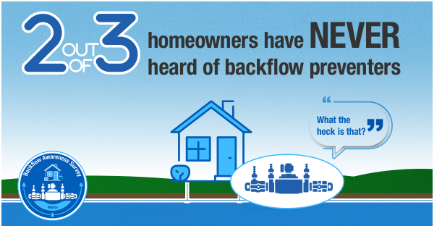
Image 3: Survey illustration 1 from watts.com
- Once educated, homeowners demonstrate increased support for backflow: After being properly informed, 73% of homeowners believe backflow preventers are necessary and should be tested annually.
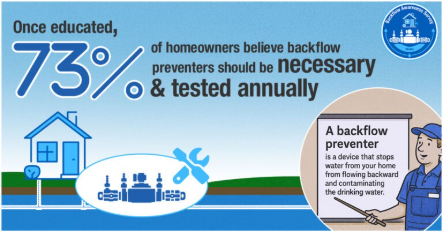
Image 4: Survey illustration 2 from watts.com
- Homeowners feel underinformed on the importance of backflow prevention: The survey found that 4 out of 5 homeowners feel that their municipality hasn’t properly educated them on the risks of backflow.
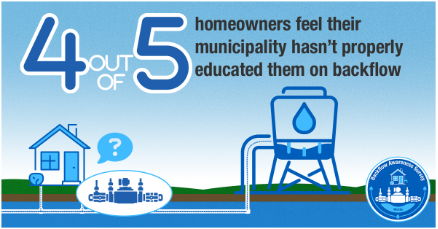
Image 5: Survey illustration 3 from watts.com
These findings make clear just how little most property owners know about backflow, the importance of backflow prevention, and the responsibility of homeowners to procure and maintain their own prevention device. At the same time, the survey suggests that once people understand the risks, they are strongly supportive of backflow prevention. Homeowners cannot be expected to help protect public drinking water systems if they are unaware that backflow prevention exists or that they have a role to play. That’s where municipalities and water professionals come in. By raising awareness and helping residents understand the risks and responsibilities associated with backflow, communities can build stronger, more effective backflow prevention programs and better protect public health.
How Communities Are Already Taking Action, and How Yours Can Too
So, what can you do to raise awareness about backflow prevention in your community? A great place to start is by sharing information in an easy-to-understand, non-technical format that resonates with property owners. Whether it’s this blog, this helpful video, or other educational materials, spreading the word can help keep your community’s drinking water clean and safe while improving program compliance. Backflow Prevention Day, celebrated annually on August 16th, is another great opportunity to engage residents and property owners. Established in 2021, the day recognizes the technologies and professionals that help protect the safety and quality of our drinking water.
Interested in what other municipalities do to support backflow prevention? Check out these examples from communities across the country who are finding creative ways to educate residents and encourage participation in backflow prevention programs:
- In Mount Vernon, NY, the city created and distributed print materials like this brochure to their commercial and industrial property owners explaining what backflow and backflow prevention is, its importance, and their expectations of property owners.
- In Florida’s Manatee County, backflow prevention is clearly explained and local requirements are outlined complete with timelines and recommended contractors in this simple YouTube video.
- In Fairfax, VA, residents can browse a simple Frequently Asked Questions (FAQ) page to get clear, concise answers for questions regarding backflow prevention, permitting and inspection requirements, and more.
- In Smithfield, VA, (a town of under 9,000) residents can also browse Frequently Asked Questions (FAQ) but in a much simpler format. This is a good reminder that taking a pared down approach is often better than not providing your residents with any resources at all.
In summary, backflow prevention is vital to ensuring communities’ drinking water is reliably clean and safe. Yet many property owners are still unaware of what backflow is, why backflow prevention devices matter, and the role they play in protecting public health. Municipalities and utilities have the opportunity to close that gap. By starting the conversation and providing clear, accessible information, communities can build stronger backflow prevention programs and help protect drinking water for everyone. Start the conversation with your community today!