
Photo Source: Environmental Finance Center at Wichita State University
Asset Management is more than simply building an inventory of your assets. On the whole, Asset Management planning is a framework used for decision-making and long-term planning.
Asset Management is:
Asset Management is a dynamic framework that supports a utility’s efforts to operate, maintain, and manage their assets in the most cost-effective way. Developing an Asset Management plan relies on utility staff’s knowledge, expertise, and insight about how the utility functions, the nuances within daily operations, and how to consider the changes, upgrades, and replacements a utility needs.
Asset Management is not:
Asset Management is not simply an inventory or a broad cost estimate for replacement. It is not a “one-size fits all” approach to planning. It is not a “quick fix” or static plan that is to be left on a shelf to review every few years. Asset Management planning is not a linear process that follows a specific path. It takes a utility specific approach and adjustments over time to ensure that it is working for the unique needs of the utility.
More than 5 Components
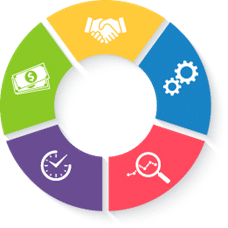
Although the 5 Core Components of Asset Management are important for developing a full decision-making and planning framework for your utility, there are smaller steps within each component to consider. You can learn more about each component by viewing the Integrated Asset Management Framework.
- Level of Service is not just about community focused goals. It can also include internal goals to improve efficiency. Level of Service is also about small, incremental steps toward larger goals and not only broad, long-term goals.
- Current State of the Assets is more than an inventory. It is also developing objective criteria for the condition of the assets and ensuring accurate maps of each asset’s location.
- Criticality is more than a simple risk assessment. It considers a multitude of variables that can contribute to failure and what the initial and subsequent consequences of failure could be.
- Life-cycle costing is more than a cost analysis of the expenses over time. It includes every cost associated with an asset from installation to removal. These estimates can take time to develop.
- Funding the utility is more than the “how to pay” question. It includes thinking strategically, creatively, and collaboratively about how to fund various priorities within a community.
Asset Management planning can seem overwhelming; however, each utility can begin with components and steps that make sense for their community.
See below for part 2: Start Small: Building an Asset Management Plan that works for you.
Additional Resources:
EFCN Blog: https://efcnetwork.org/asset-management-why-should-i-implement-a-program/