
Small wastewater treatment plants often operate on tight budgets, but strategic, affordable upgrades can significantly boost efficiency, reduce energy costs and extend equipment life. In this blog, we review some practical, low-cost options focusing on sensors, solar powered blowers, mixers and remote monitoring solutions.
Low-Cost Sensors for Better Process Control
Traditional sensors can be expensive and high maintenance, but advances in electrochemical and colorimetric sensors offer accurate, durable alternatives at a fraction of the cost. These measure key parameters like pH, dissolved oxygen, turbidity, and even real-time BOD or pathogens. Soft sensors (software-based models using existing data) further reduce hardware needs while providing reliable estimates. Vendors like YSI, Hach and Endress+Hauser provide modular, pre- calibrated options that lower maintenance and help optimize aeration and nutrient removal without major capital outlay.
Solar-Powered Blowers and Aerators
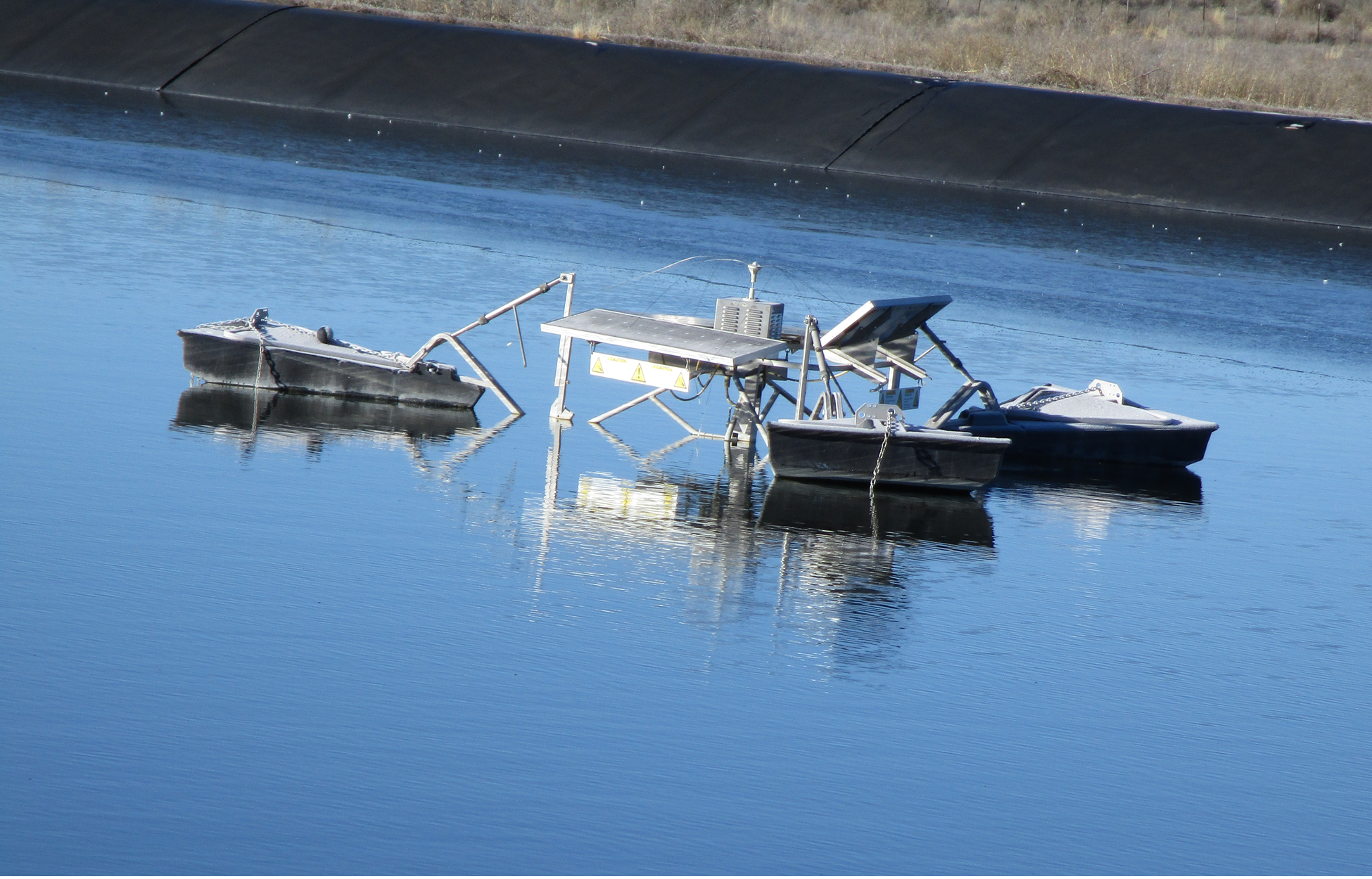
Aeration is one of the largest energy consumers in small WWTPsS. Solar-powered aeration systems eliminate electricity bills by using solar panels to drive brushless compressors and diffusers. Companies like ProLake, RPS Solar Pumps and Scott Aerator offer kits suitable for lagoons and small basins, with options for battery backup during low sun days. These systems provide consistent dissolved oxygen levels, reduce algae and muck, and often pay for themselves quickly through energy savings, ideal for remote or off grid facilities.
Efficient Mixers for Improved Performance
Proper mixing prevents settling, enhances biological processes, and reduces chemical use. Affordable upgrades include energy efficient submersible mixers with low speed, high torque designs for anoxic/anaerobic zones. Non-ragging or jet mixing systems minimize clogs in rag-heavy wastewater or systems with minimal screening at headworks. Mixers from Dynamix and Flygt offer customization without high costs. These upgrades improve oxygen consumption and process efficiency, cutting energy use by up to 25% in some cases.
Remote Monitoring Apps and Systems
Real-time oversight prevents issues like overflows or equipment failure. Several companies offer low-cost solutions and use cellular or cloud-based platforms to monitor levels, pumps, flow data, and quality parameters via apps. Some systems can be set up to send instant alerts, log flow data, and integrate with existing sensors, some under $5,000 per site. This reduces site visits, enables predictive maintenance, and supports compliance reporting affordably.
By prioritizing these upgrades, starting with sensors and monitoring, small WWTPs can achieve big gains in efficiency and reliability. It will also help facilities with limited staff, and the ability to see flow and equipment status from your home after hours gives operators peace of mind.
The SW EFC does not endorse any of these particular brands. Consult local vendors for site specific recommendations to work within your budget. Each system is unique and not every upgrade listed would be a good return on investment. The EFCN is available to review possible upgrades—contact us here to get started!