

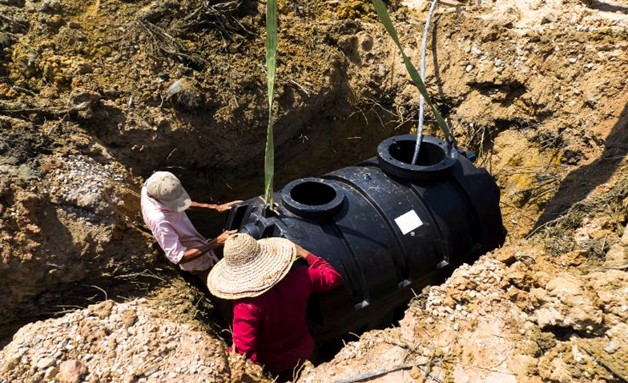
Septic tanks play a critical role in on-site wastewater treatment for homes that are not connected to municipal sewer systems. Two of the most common materials used for septic tanks are plastic (typically polyethylene) and concrete. Each material offers distinct benefits and drawbacks that influence durability, installation, cost, and long-term performance. Recognizing these differences helps homeowners and builders in selecting the best option for their wastewater treatment needs.
Plastic – Advantages
One of the main advantages of plastic septic tanks is their lightweight construction. They are much easier and faster to transport and install because plastic tanks weigh significantly less than concrete tanks. Installation often requires less heavy machinery, which can reduce labor costs and make plastic tanks ideal for locations with limited access. Plastic tanks are also resistant to corrosion and chemical reactions that can occur in wastewater environments. Unlike metal components or certain concrete structures, plastic does not rust or degrade when exposed to acidic wastewater conditions. Furthermore, plastic tanks are usually made as single molded pieces. This reduces the risk of leaks due to cracks or seams.
Plastic – Drawbacks
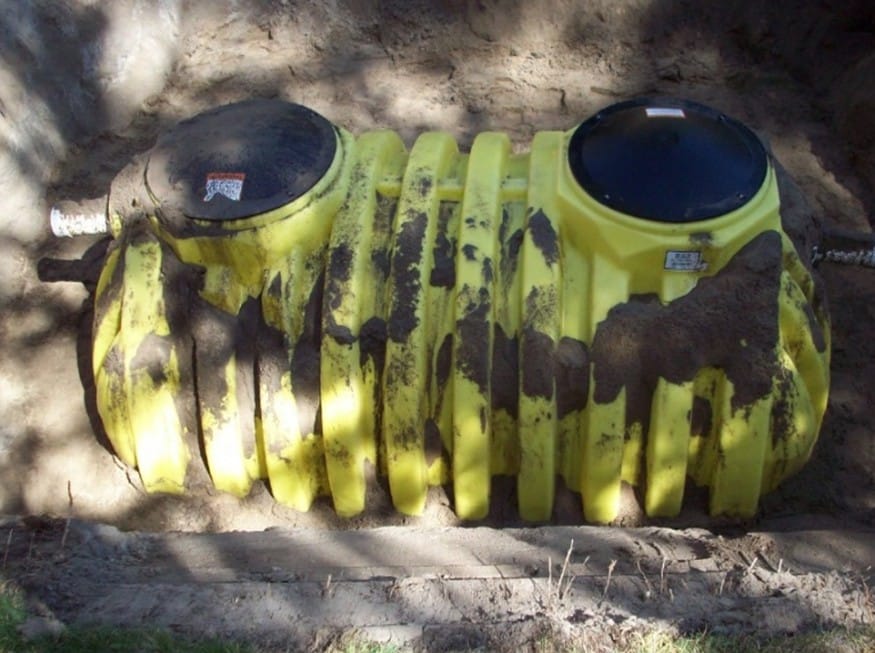
However, plastic septic tanks also have several drawbacks. Their lightweight design, while helpful during installation, can make them more vulnerable to shifting in areas with high groundwater levels. In extreme cases, an empty or poorly secured plastic tank can float or move if groundwater pressure increases significantly. Plastic tanks are also more susceptible to physical damage during installation or from external pressure if the surrounding soil shifts. Over time, exposure to stress from heavy vehicles or poor soil conditions can cause deformation or structural failure.
Concrete – Advantages
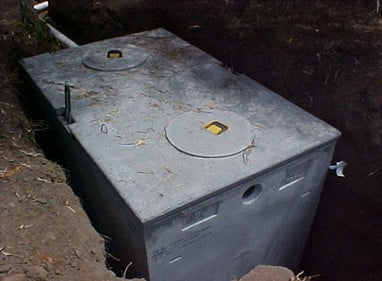
Concrete septic tanks, on the other hand, are known for their strength and durability. Their heavy weight helps keep them firmly in place underground, making them much less likely to shift or float in areas with high groundwater. Concrete tanks can also withstand heavy loads from vehicles or equipment that may pass over the installation area. When properly constructed and maintained, a concrete septic tank can last several decades, often outlasting plastic alternatives. Because of their rigid structure, they are also less prone to deformation over time.
Concrete – Drawbacks
Despite these advantages, concrete septic tanks have some disadvantages. Their significant weight makes transportation and installation more challenging and expensive. Heavy equipment, such as cranes or large excavators, is usually required to position the tank, increasing labor and equipment costs. Concrete can also be vulnerable to cracking due to soil movement, freeze–thaw cycles, or poor manufacturing quality. Once cracks develop, groundwater infiltration or wastewater leakage may occur, potentially leading to environmental contamination or system failure. Additionally, concrete tanks may gradually deteriorate due to chemical reactions with wastewater gases such as hydrogen sulfide.
Financial Considerations
Cost considerations also play a role in choosing between plastic and concrete tanks. Plastic tanks are usually less expensive to purchase and easier to install. Concrete tanks may cost more initially but usually offer longer service life and greater structural reliability in challenging soil conditions.
In conclusion, both plastic and concrete septic tanks have advantages and disadvantages related to durability, installation, cost, and environmental conditions. Plastic tanks are easier to install and more corrosion-resistant, while concrete tanks offer superior strength and stability. The best choice depends on site conditions, groundwater levels, budget, and long-term maintenance considerations. Careful evaluation of these factors ensures a reliable wastewater treatment system that protects both property and the surrounding environment.