

Artificial Intelligence (AI) is a rapidly growing technology that is increasingly integrated into modern software. AI systems are trained on vast amounts of data using algorithms designed to mimic human reasoning. One of the most familiar examples is chatbots, which draw on their training data and online resources to provide answers, generate stories, and respond to a wide range of messages. Beyond chatbots, AI can analyze data, create images and videos, generate code, and make decisions that influence other technologies. While the necessity of AI in every application remains debated, when applied thoughtfully it can serve as a valuable tool for wastewater utilities.
AI is often promoted as a way to relieve workers of repetitive tasks and optimize their time. This is particularly beneficial for wastewater workers in small communities, who often wear multiple hats and have limited time. AI assistants can support these workers by taking notes during meetings, reviewing emails to create to-do lists, and drafting communications. These outputs should serve as a foundation, with workers applying their expertise to refine them. AI should not be relied upon exclusively, as it can make mistakes, but it provides a useful starting point.
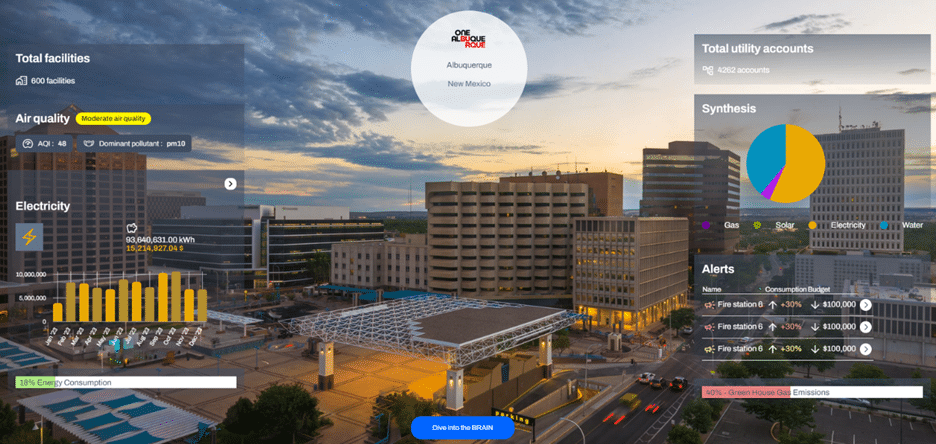
Like many industries, wastewater treatment is increasingly adopting AI-driven systems. Modern automated technologies often include AI components for process optimization, energy efficiency, and anomaly detection. Recommendations generated by AI should always be reviewed by experienced wastewater professionals to ensure accuracy and enhance system performance. For example, AI can monitor flows entering a wastewater plant or collection system. By detecting anomalies in flow volume or surges in pollutants, operators can more easily identify maintenance needs or adjust treatment processes to address excess pollutants. The City of Albuquerque even uses AI that is integrated across a multitude of their water and energy systems to manage and analyze their resources using what they call their Balanced Resource Acquisition and Information Network (B.R.A.I.N). With many options available, systems must carefully select dependable technologies.
When evaluating AI tools, systems should follow standardized guidelines from governing bodies or academic experts, such as Purdue University’s Evaluating AI Tools guide by Zoeanna Mayhook. This guide emphasizes transparency in training data, avoidance of biased outputs, and reliability in data sourcing. It also recommends that AI tools support integration across systems, scalability, and adequate technical support. These criteria, along with others from reputable sources, should form a checklist for evaluating AI tools. Additional strategies include selecting tools from companies without ongoing legal or regulatory issues and consulting peer systems to learn what tools they successfully use.
U Standardized evaluation helps mitigate ethical concerns associated with AI adoption. Key concerns include excessive resource consumption (e.g., water and electricity), displacement of human workers, unethical data collection, and oversaturation of AI products. To preserve resources, protect jobs, and address ethical challenges, systems should recognize that not every task requires AI. Since the ethics and capabilities of AI remain under debate, organizations should be deliberate and cautious in their adoption. For assistance in selecting AI tools, the Environmental Finance Center Network happily offers guidance and technical support requests can be made here.