
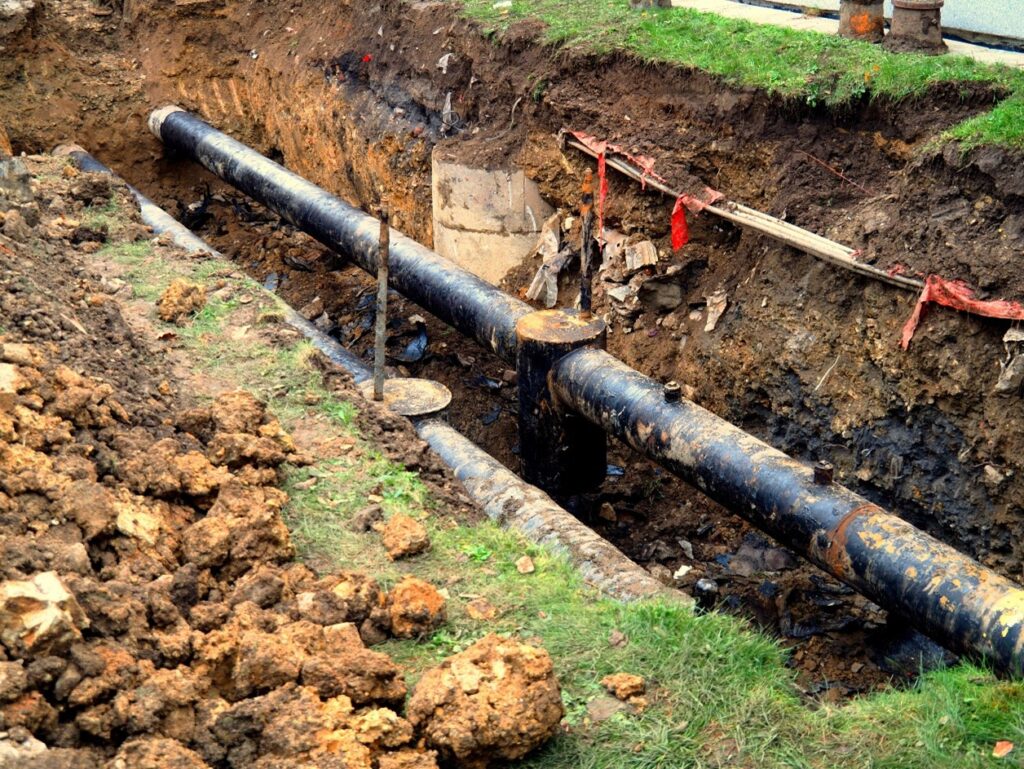
Upgrading our drinking water and wastewater infrastructure, including the replacement of outdated lead service lines, is essential to protect public health, support local economies, and sustain environmental quality. Yet, for many small and rural communities across the country, aging systems combined with challenges like limited funding and workforce shortages make it difficult to move these projects forward.
In recent years, rising costs have created additional pressure for communities already struggling to maintain essential water infrastructure. Construction and material expenses surged during the COVID-19 pandemic from supply chain disruptions and have not returned to pre-pandemic levels since. National price data show that the cost for materials used in nonresidential construction is more than forty percent higher than it was in early 2020. Today, utilities face a new wave of cost uncertainty as new tariffs on imported metals raise prices for materials commonly used in drinking water and wastewater projects, including steel, copper, and aluminum. For small utilities already operating with tight budgets, these added expenses can lead to delays in construction, reduced project scopes, or postponed maintenance.
This blog explores how current tariffs are affecting infrastructure investments in the water and wastewater sector, with a closer look at their impact on small systems and lead service line replacement efforts.
Rising Material Costs
Impacts of United States tariffs are far reaching across many sectors, including water and wastewater construction. Small systems are especially vulnerable to disruptions in the supply chain and material cost increases. As of April 5, 2025, the United States implemented a 10 percent baseline tariff on imported goods, with higher rates on materials commonly used in system upgrades, including aluminum products, galvanized steel, and copper.
Current Tariff Rates (as of September 2025)
- Aluminum: 50% global tariff (25% for the United Kingdom)
- Steel: 50% global tariff (25% for the United Kingdom)
- Copper: 50% global tariff
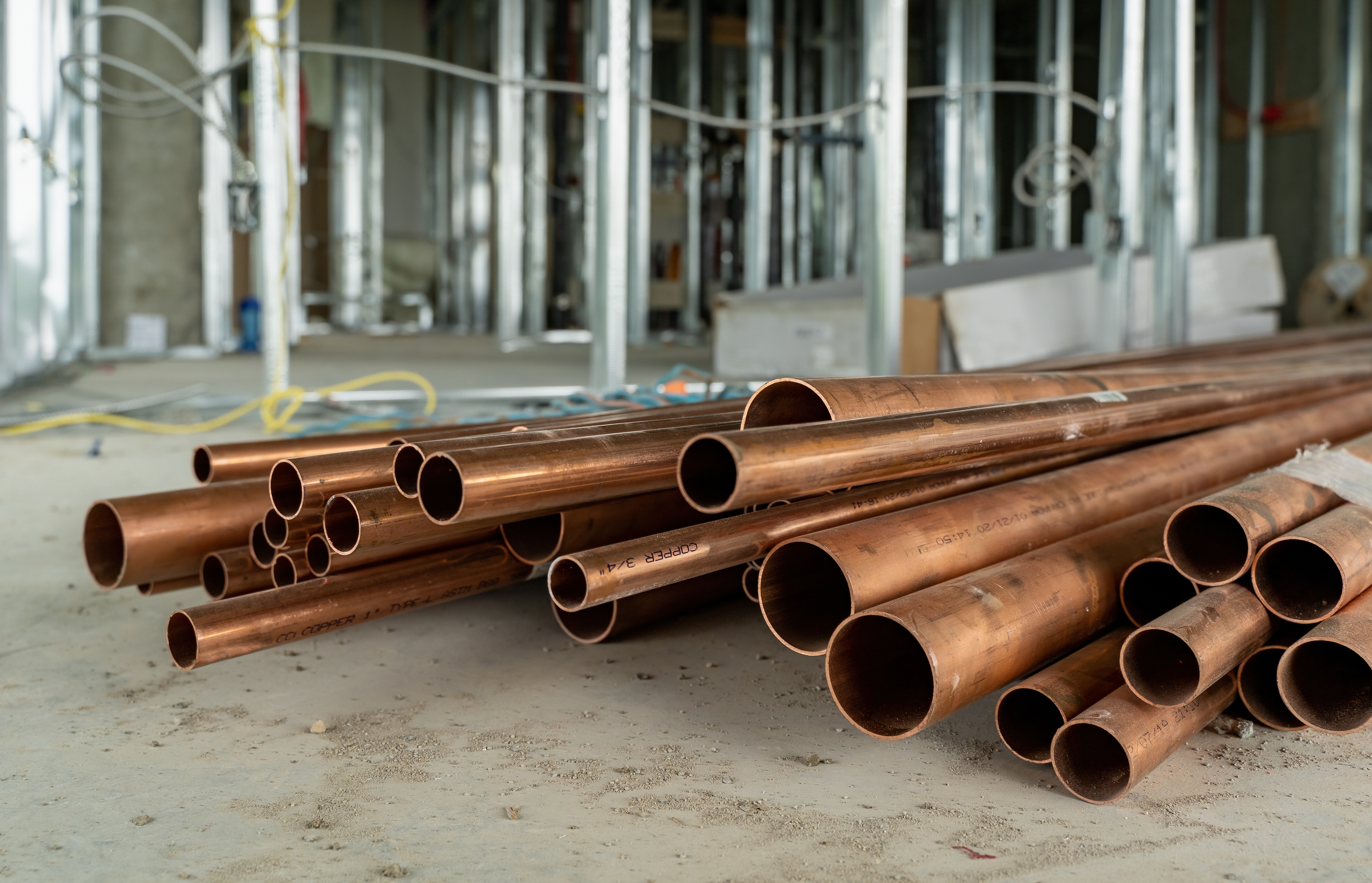
These construction materials are vital to many aspects of water infrastructure, including pipes, fittings, meters, and other equipment. Even without tariffs, material costs have been rising every year. The addition of tariffs will likely tighten budget constraints, delay construction schedules, and reduce the scope of improvement projects – particularly for small and rural systems.
While many publicly funded water infrastructure projects already comply with domestic procurement requirements, the broader economic effects of new tariffs extend beyond those rules. Increased demand for American-made materials, combined with reduced availability of imported goods, can create bottlenecks in supply chains and drive up costs across both public and privately funded projects. This combination of higher prices and limited supply makes it harder for utilities to keep projects on schedule or within budget
Impacts on Lead Service Line Replacement Projects
Following the US EPA’s 2021 Lead and Copper Rule Revisions, replacing lead service lines has become one of the most critical public health priorities for today’s water systems. Lead exposure, even at low levels, can cause irreversible damage to the brain and nervous system and poses significant risks to children and pregnant women.
When lead services lines are identified, they are often replaced with copper pipes. However, the 50 percent tariff on imported semi-finished copper introduced on August 1, 2025 is expected to make this process significantly more expensive. The cost increase may force utilities to adjust replacement schedules, re-evaluate budgets, or seek additional funding. For communities already struggling to meet compliance deadlines, these added costs could lead to slower implementation and fewer completed replacements within projected timelines.
Moving Forward
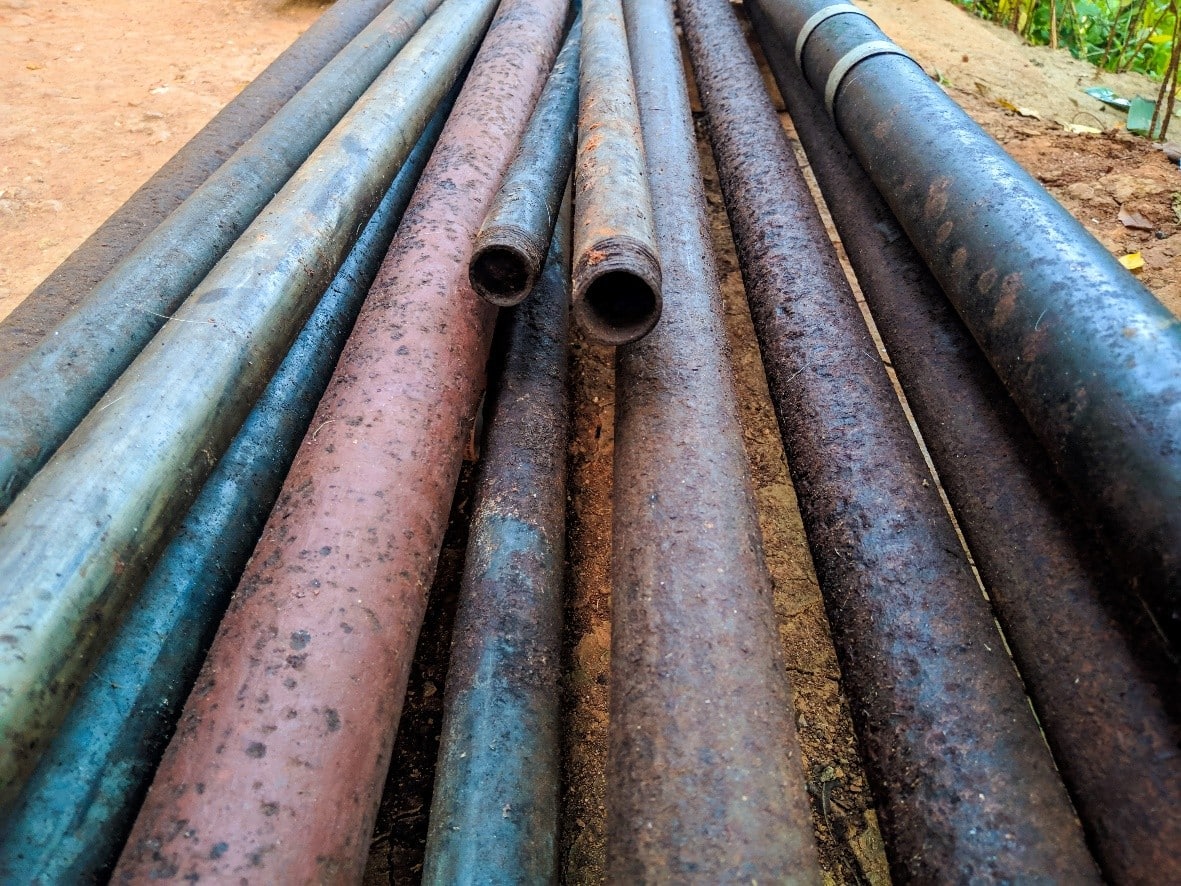
Continued investment in water and wastewater infrastructure is key to safeguarding public health and environmental quality. However, price increases for materials such as aluminum, galvanized steel, and semi-finished copper may slow progress on critical upgrades to already aging systems.
Although tariffs and market conditions have been unpredictable, careful attention to supply chain trends and exploring options for regional collaboration can help communities maintain progress on critical projects by identifying opportunities for cost savings. These challenges reinforce the need for proactive planning and coordination among utilities, state agencies, and technical assistance providers. By anticipating cost pressures and adapting early, communities can better protect the safety, reliability, and affordability of the water and wastewater systems their residents depend on every day.