
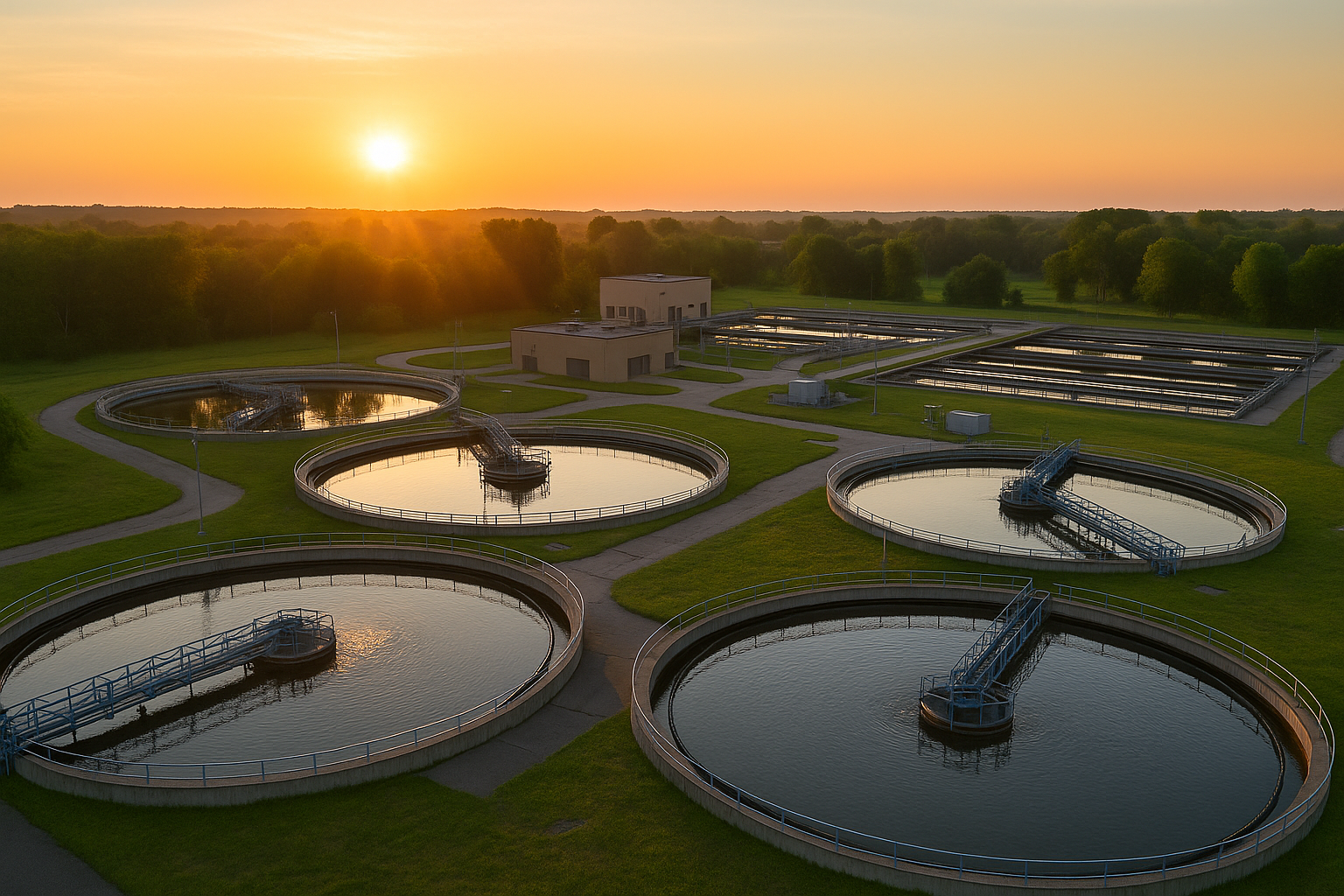
Clean water is one of our most essential shared resources. Each time a household flushes a toilet, takes a shower, or runs a load of laundry, the water leaving that home becomes wastewater, carrying contaminants that must be removed before it can safely return to the environment. For communities across the United States, this responsibility falls on wastewater treatment facilities governed by strict regulatory permits designed to protect public health and environmental quality.
Recently, the EFCN published a helpful overview titled NPDES Permit Basics for Wastewater Operators. That blog post offers a comprehensive overview of key permit parameters, their significance, and the operator-level sampling process. Building on this foundation, this blog post further explores why these parameters are critical to the long-term health of our communities and natural resources.
The Foundation: NPDES Permits
Every wastewater treatment facility (WWTF) in the United States that discharges to surface waters operates under a National Pollutant Discharge Elimination System (NPDES) permit. Typically renewed every five years, these permits establish clear limits on pollutants, outline monitoring and reporting requirements, and serve as the primary enforcement mechanism of the Clean Water Act of 1972.
As the previous blog post outlines, these permits determine:
- What parameters must be monitored
- How often must samples be taken
- The acceptable concentration ranges for each pollutant
- Reporting expectations and timelines
This regulatory framework ensures that treated wastewater meets the standards necessary to protect downstream users, aquatic ecosystems, and drinking water supplies
Breaking Down Key Parameters
The previous blog introduces several core wastewater parameters and explains their basic purpose. Here, we take those same parameters and explore their broader meaning at the community and environmental level.
Flow
Measured in millions of gallons per day, flow affects system design, peak demand planning, and growth management. Consistent flow monitoring helps communities identify infiltration and inflow problems, anticipate expansion needs, and maintain compliance during wet-weather events.
pH
Water that is too acidic or too alkaline can harm aquatic organisms and interfere with treatment processes. Maintaining proper pH ensures chemical reactions occur correctly and protects receiving waters.
Dissolved Oxygen (DO)
Healthy waterways need oxygen. Low-DO effluent can suffocate fish and disrupt ecosystems. Most permits require a minimum DO to protect aquatic life, typically around 6.0 mg/L.
Biochemical Oxygen Demand (BOD)
BOD reflects the amount of organic material in wastewater. High levels of BOD indicate that bacteria need more oxygen to decompose waste, depleting the oxygen levels in streams and rivers. Communities with high BOD discharges face elevated environmental risk.
Total Suspended Solids (TSS)
These particles cloud the water, reduce light penetration, and can carry toxic substances. High TSS levels can damage aquatic habitat and indicate mechanical or process issues in the treatment plant.
Ammonia Nitrogen
Ammonia is extremely toxic, especially during low-flow or warm-weather conditions. Even small exceedances can cause fish kills and ecological damage.
Nitrogen and Phosphorus
These nutrients fuel harmful algal blooms that degrade water quality, produce toxins, and create hypoxic “dead zones.” Many permits require monitoring even when limits are not yet enforceable.
Fecal Coliform / E. coli
These bacteria indicate the possible presence of pathogens. Maintaining low levels is crucial for protecting public health, especially in water used for recreation or downstream drinking water intakes.
Chlorine Residual
Chlorine disinfects wastewater, but excess chlorine harms aquatic life. Permits typically include stringent limits to ensure disinfection without toxicity.
Together, these parameters act as the vital signs of a community’s wastewater treatment system. When consistently monitored and managed, they show that the system operates effectively and protects the environment.
Why These Numbers Matter for Communities
To some, permit parameters may seem like regulatory red tape. However, they serve a greater purpose; they are tools for protecting the community. As wastewater systems age and populations change, these numbers help ensure the safety, health, and future vitality of our water resources.
Protecting Public Health
Wastewater that is improperly treated poses significant risks, including exposure to bacteria, viruses, and harmful chemicals. Strong adherence to permit parameters prevents contamination of surface waters, aquifers, and recreational areas.
Safeguarding Ecosystems
Fish, insects, plants, and other aquatic life depend on clean water. Excess nutrients, low oxygen, or toxic discharges can quickly destabilize local ecosystems, leading to long-term ecological damage.
Meeting Legal and Financial Obligations
Permit exceedances can lead to costly fines, consent decrees, legal action, and reputational damage for communities. Consistent compliance protects municipalities from these financial burdens.
Ensuring Long-Term Sustainability
Communities that invest in proper wastewater management protect future generations. As climate change increases stress on water systems, strong compliance and maintenance become even more critical.
The Role of Maintenance and Management
Meeting permit standards requires intention, investment, and the experience of trained professionals. Sampling requirements described in the “NPDES Permit Basics for Wastewater Operators” blog post are only the beginning—communities must support their systems operationally and financially.
- Preventive Maintenance: Regular inspections, cleaning, and equipment checks reduce failures and extend the life of expensive infrastructure.
- Operator Expertise: Certified operators play an essential role in making real-time process decisions that ensure compliance.
- Budgeting and Planning: Municipalities must plan for upgrades, repairs, staffing, and emergency preparedness. Underfunding wastewater systems leads to avoidable failures.
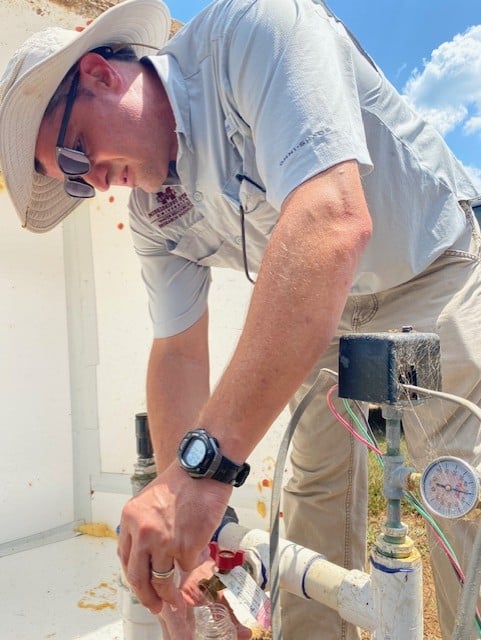
At the Mississippi Water Resources Research Institute (MWRRI), we routinely work with communities and operators who are navigating these exact issues. The dedication of these professionals is central to protecting our state’s water resources.
A Shared Responsibility
Clean water protection is not solely the responsibility of wastewater operators or city governments. Every community member plays a role.
- Residents can avoid dumping grease, wipes, or chemicals down drains.
- Local leaders must prioritize wastewater funding.
- Operators maintain systems and ensure compliance.
- State and federal agencies provide oversight and guidance.
Permit parameters represent a careful balance: they allow communities flexibility to function while ensuring that natural resources are preserved and protected.
Looking Ahead
As highlighted in the previous blog entry, understanding parameters and sampling is a critical first step. But wastewater management is evolving. Emerging contaminants—such as PFAS, pharmaceuticals, and microplastics—are likely to influence future permits. Climate change, aging infrastructure, and shifting populations will also shape how communities design and maintain their systems.
For now, established parameters like BOD, TSS, ammonia, nutrients, bacteria, chlorine, pH, DO, and flow remain the backbone of the NPDES program. Understanding these values and their significance strengthens a community’s ability to sustain healthy waterways.
Wastewater treatment is often invisible to the people it serves, but its impact is profound. Thanks to dedicated operators, municipal leaders, and the regulatory safeguards provided by NPDES permits, communities can trust that their water resources are protected.