
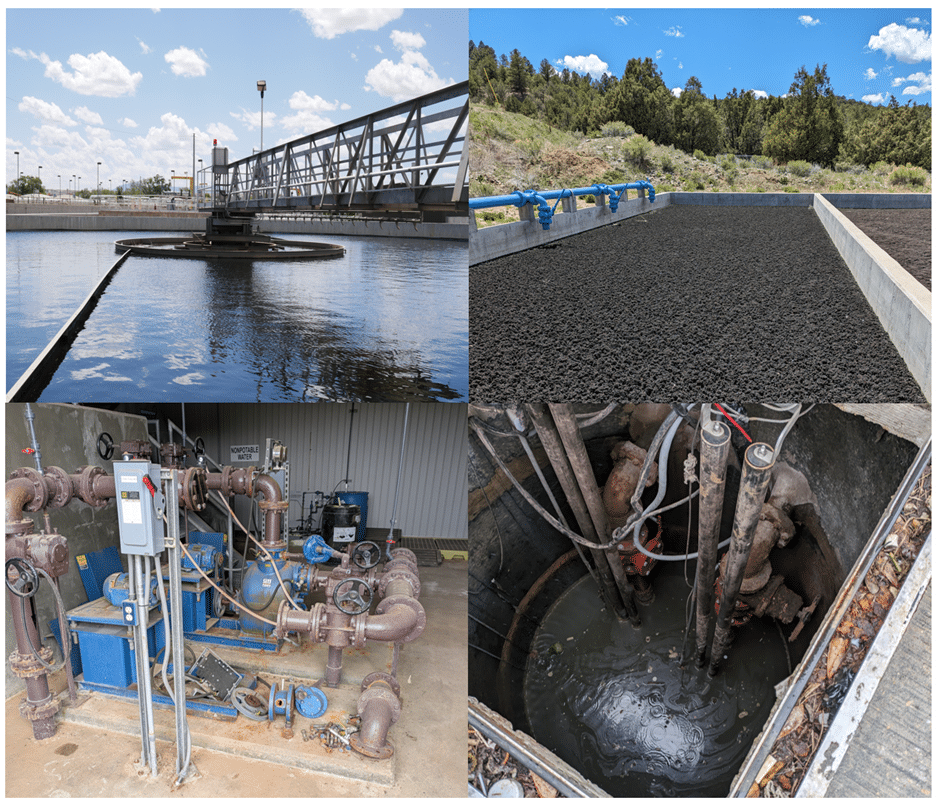
One of the biggest challenges many wastewater utilities—especially small systems—face is striking the right balance between responding to urgent, unexpected issues and planning for long-term needs. Without a clear strategy, resources often get consumed by emergencies, leaving little room for proactive improvements.
A Capital Improvement Plan (CIP) is a powerful tool to break that cycle. CIPs help community and utility leaders map out long-term investments in infrastructure and assets, reducing the need to operate in a purely reactive mode.
What Makes a Strong CIP?
A well-designed CIP includes:
- A comprehensive asset inventory
- Cost estimates and project plans
- Timelines for implementation
- Potential funding sources
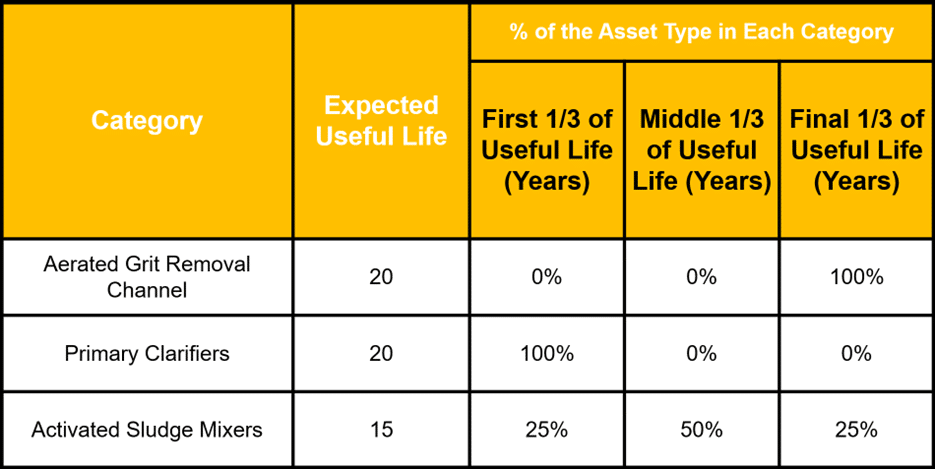
Together, these components guide decisions on which assets to rehabilitate, upgrade, or replace first. When setting priorities, consider safety for employees and the community, regulatory compliance, and economic impact. Assets in the last third of their useful life should generally be prioritized, but other factors matter too, such as lack of redundancy, early signs of failure, and ease of implementation.
Where Do You Start?
Begin with a detailed asset inventory. Include:
- Asset type and ID
- Location
- Installation date
- Last repair or rehabilitation date
- Estimated and remaining useful life
Next, assess each asset’s condition and determine its criticality: a measure of how essential it is to system operations. This step is key to prioritization. The Environmental Finance Center Network (EFCN) recommends using the Small Community Assistance Planning (SCAP) tool, developed by Eastern Research Group with EPA Region 7. SCAP helps you build an asset inventory, assess criticality, and rank assets by priority.
Combine SCAP’s recommendations with operator knowledge, financial realities, and engineering input to create a final priority list. From there, you can develop cost estimates, project plans, and timelines.
Getting Cost Estimates and Plans
Cost estimates and timelines often require engineers and contractors. Small communities may qualify for grants, and EFCN partners can provide technical assistance or connect you with resources.
For preliminary estimates, explore online resources or state reports. For example, the New Mexico Environment Department’s Construction Bureau publishes annual infrastructure reports—your state may offer similar data. Contacting your state agency can also yield detailed documents for more accurate projections.
Finalizing your CIP
Compile all sections into a comprehensive document that includes an introduction, goals and objectives, and implementation plan sections. Before adoption, review the plan with stakeholders, community members, and personnel familiar with CIPs. EFCN can assist with this step as well. Creating a CIP takes effort, but the payoff is huge: efficient resource use, fewer emergencies, and a clear roadmap for the future. The EFCN is here to help—contact us today to start building your CIP!
Request technical assistance here!